From Restaurants to Real Estate: How to Customize Commercial Insurance Marketing
Commercial insurance marketing is most effective when it is customized to specific industries rather than using generic, one-size-fits-all messaging. Different businesses (such as restaurants, real estate agencies, contractors, or medical offices) face distinct operational, financial, legal, and emotional risks. Successful commercial insurance agents tailor their messaging, content, offers, and distribution channels to reflect those unique risk profiles. Scalable customization is possible through segmentation, industry-specific landing pages, tailored language, and marketing automation. As competition increases, specialization and personalized marketing are becoming essential strategies for commercial insurance growth.
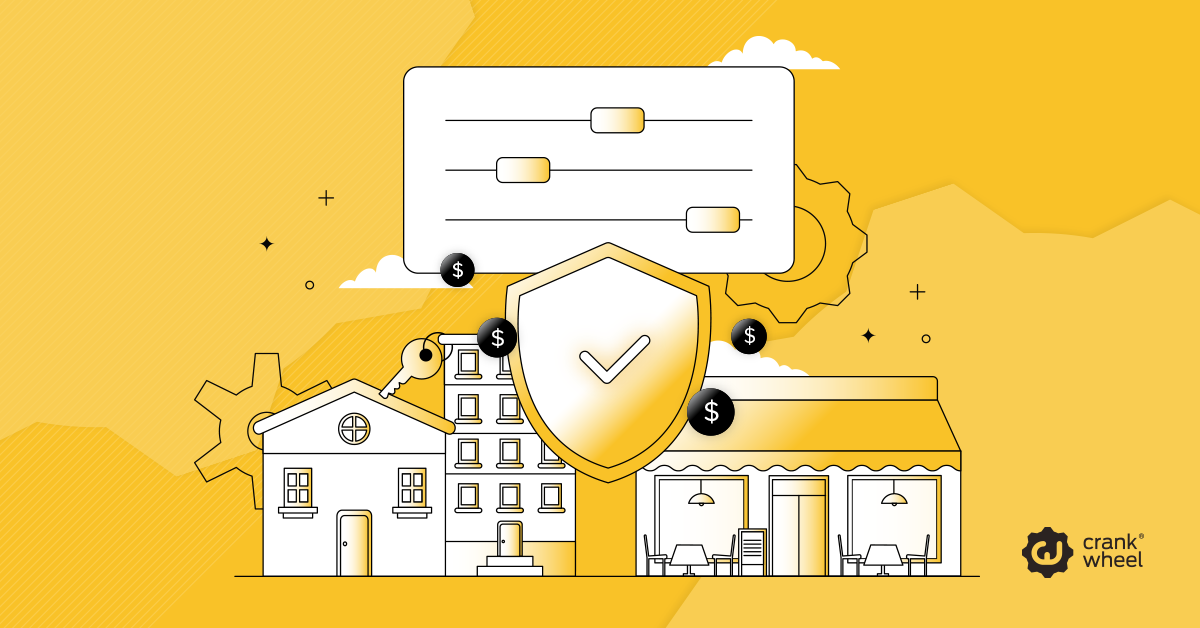
Commercial insurance would be easy if it were “one-size-fits-all”. However, each industry carries its own unique risks. A restaurateur is concerned about kitchen fires, foodborne illnesses, and equipment breakdown. Let’s contrast that with the risks that a realtor might worry about – making a mistake, leaving out information, or a client falling and getting injured during an open house. Businesses must protect against devastating losses from unexpected events and lawsuits that are common in their industry.
Beyond purchasing the required types of insurance (e.g., commercial auto, workers’ compensation), businesses need to protect their employees, customers, and third parties from allegations of harm.
This post will explain why customized marketing matters and what drives commercial insurance-making decisions. We’ll highlight the importance of identifying the insurance decision-maker and provide tips on how to customize your marketing efforts.
Shortcuts:
Why Industry-Specific Marketing Matters in Commercial Insurance
Understand the Industry’s Core Risks and Realities
Identify the Decision-Maker and Buying Process
Customizing Marketing for Commercial Insurance Sales
- Messaging That Resonates
- Fresh Content Ideas
- Channels That Work
- The Right Offers and Calls to Action
Customized Insurance Marketing at Scale
Specialization Is the Future of Commercial Insurance Marketing
Why Industry-Specific Marketing Matters in Commercial Insurance
Each industry has a distinct risk profile. The risks are a direct reflection of its business activities and operations. When customers are exploring their insurance options, they’re drawn to marketing messages that address the pain points that weigh heavily on their minds.
Successful commercial insurance marketing requires understanding your target customer’s risks. You must also learn the industry language and speak it fluently. More importantly, you need the expertise to address the customer’s biggest liabilities and offer the appropriate insurance policies to protect their businesses.
Tailored Commercial Insurance Solutions Incite Trust
You won’t gain the client’s trust in a snap in commercial insurance sales. Building trust in sales takes time and effort. Customized marketing plans can help you earn trust early on in the sales process. It allows you to shorten the sales cycle, so you can focus on the next prospect’s needs.
Customized commercial insurance solutions improve lead quality. Over the long term, customization will help you retain customers longer.
Let’s break down three advantages of tailoring your communications to a prospect’s business.
Build Trust and Credibility Faster
- Reliable expertise: Targeted marketing positions you as a specialized expert who understands their risks and concerns.
- Solutions for specific risks: Offering the right solutions makes customers feel understood and valued, rather than one business among a bunch of competitors.
- Partnering together: Customers will begin to view you as a valued partner who is invested in helping their business succeed.
Shorten Sales Cycles
- Efficiency: Responses will likely come from qualified leads who are interested in the specific solutions you offer.
- Streamlined communications: Prospects will receive industry insurance information in a compressed timeframe, allowing you to close the sale faster.
- Acquisition costs: A customized marketing plan promotes efficiency, helping to reduce acquisition costs.
Improve Lead Quality and Retention
- Target audience: You can establish a niche market by promoting an ideal fit for their insurance needs.
- Longevity of relationships: Customers who feel understood and well-served are more likely to remain customers rather than switch to a competitor.
- Cross-selling and referrals: A solid foundation is a natural opening for cross-selling, upselling, and gaining referrals.
Undoubtedly, customized insurance marketing campaigns can make a demonstrable difference in your sales numbers and commissions. So, let’s look at how to make it happen.
Understand the Industry’s Core Risks and Realities
Entrepreneurship gives business owners financial independence, personal fulfillment, and the freedom to do things their own way. Nonetheless, business owners are keenly aware of the risks of running a business, including the risk of failing.
Customers will be more inclined to connect with you when you can assure them you understand their business’s operational risks, financial and legal pressures, and emotional drivers.
Let’s look at each individually.
Operational Risks
Operational risks are risks that could cause losses stemming from the company’s internal processes, people, or systems. Such risks can also arise from external events.
- Slip-and-fall injuries
- Workplace injuries
- Cyberattacks and data breaches
- Business interruption
- Professional liability
- Product liability
- Commercial auto accident
- Theft or employee dishonesty
- Equipment breakdown
See how commercial insurance broker Emily Thompson tailors risk presentations for different industries.
Financial and Legal Pressures
- Margins
- Cash flow
- Regulatory exposure
- Compliance
- Licensing
- Contractual requirements
Emotional Drivers
- Fear of lawsuits
- Downtime
- Reputational damage
- Desire for growth and stability
- Professional protection
Depending on a business’s size and structure, the insurance decision-maker may be the business owner, but it may also be someone else.
Identify the Decision-Maker and Buying Process
The person who answers the phone isn’t always the person who makes the insurance decisions. Before you can get to your sales pitch, you need to figure out who to talk to.
Finding the right person is simply a matter of asking who handles the company’s commercial insurance. In commercial insurance, you may need to get acquainted with multiple decision-makers. You’ll want to identify them as soon as possible.
The insurance decision-maker may be any of the following people:
- Business owner
- A manager
- An executive
- A board of directors
Approaches to Buying Commercial Insurance
Entrepreneurs typically know they need commercial insurance. Initially, they’ll get basic policies to cover the most notable risks at a bare minimum. Some business owners will be more thorough and seek a comprehensive insurance strategy.
Whatever their stance, it’s important to listen to their needs and concerns.
Commercial insurance buyers typically have one of the following mindsets:
- Proactive: They view insurance policies as part of their overall risk management strategy.
- Reactive: They become concerned after learning of a potential or actual loss once a problem has surfaced.
- Renewal-driven: They look for ways to reduce costs or enhance coverage pending the upcoming renewal.
Risks often change as businesses grow, requiring different or higher levels of coverage. With each renewal, your role is to encourage business owners to set aside time from their busy schedules to conduct a comprehensive risk assessment and insurance review.
Some of the challenges business owners face in reviewing their insurance needs are as follows:
- Budget sensitivity: Cash flows often become tighter when a business grows.
- Risk tolerance: A business owner may become more or less tolerant of risks, as growth may somewhat depend on taking greater risks.
- Time constraints: It can be difficult to pin down the decision-maker in a timely manner and to allocate sufficient time to review their insurance needs.
Many successful commercial insurance agents find it profitable to specialize in one or more commercial business niches. When targeting a niche industry, it’s all the more important to customize marketing for that particular niche.
Customizing Marketing for Commercial Insurance Sales
Customized marketing approaches will help draw warm leads, especially if you’re working in a niche. Business owners are more apt to respond to messaging that feels relevant to their operations and known risks.
When you tailor your message, content channels, and offers, business owners will begin to see you as a trusted advisor rather than an insurance salesperson looking for the next commission. You’ll need messaging that resonates, fresh content ideas, channels that work, and the right offers and calls to action.
Messaging That Resonates
Create messaging that directly connects to their real-world business concerns.
For example, you could create slides or a video based on the theme of “One Claim Could Shut Your Business Down.”
Your messaging could focus on the financial and operational impact of unexpected losses. Business owners may not fully appreciate all they need to protect, including:
- Customers
- Employees
- Business property
- Brand reputation
Be sure to use plain language, as they may not be familiar with insurance jargon. Plain language makes your message easier for them to understand, and they’ll relate to the core issues more easily.
Fresh Content Ideas
You can share educational, scenario-based content to help your clients visualize risks and how commercial insurance policies can cover them.
Get your creative juices flowing by designing slides or videos that depict the following:
- Fires
- Injuries or illnesses
- Workplace hazards
- Errors and omissions allegations
- Burglary
- Weather-related damage
- Vandalism
- Data breach
Depending on the business, you can probably identify many risks that your insurance policies will cover.
Checklists are another concise way to get your clients thinking about the risks they need to cover.
Short-form video content and social media posts can boost engagement by delivering snippets that are easy to view and digest.
Your videos can do double duty when you embed them into your slide presentations. With CrankWheel, a screen-sharing tool for commercial insurance brokers and other businesses, you can insert several videos directly into your presentation and pull them into your screen as you need them to make various points.
Channels That Work
The way you distribute your messages matters as much as the content you put out.
Local networking events provide opportunities to gain trust within a particular niche. Such relationships are quite effective for getting referrals, as trust plays a major role in many industries.
Social media platforms and online groups also provide opportunities for you to engage directly with business owners and influencers.
You’ll also likely find that forming strategic partnerships with accountants, suppliers, or industry associations can give you greater credibility. Such partnerships are usually a good source of lead generation.
The Right Offers and Calls to Action
To get the best response to your efforts, invest time in creating the right offers and calls to action.
The following suggestions will give you some ideas to try:
- Offer free risk assessments: Schedule time to walk through their operations and offer a free risk assessment.
- Offer policy reviews during the off-season: Take advantage of a slower business time, as business owners will have more time to review their insurance needs.
- Create bundled coverage messaging: Highlight the efficiency and savings of bundling their policies with one company where it makes sense.
You can essentially apply this framework to any industry that you want to specialize in.
Consider commercial niches such as:
- Restaurants
- Real Estate
- Trucking/logistics
- Medical offices
- Retail businesses
- Professional services
- Contractors
Our suggestions will help move prospects from merely being intrigued to engaging with you and taking the next step.
Customized Insurance Marketing at Scale
The insurance industry has always been a numbers game. With the right tools and workflows, you can market efficiently, enabling you to customize your interactions while scaling your book of business.
The following four tips will help you customize your marketing efforts at scale.
- Segmenting: Spend time to segment your email lists and CRM data to target prospects by industry, business size, risk profile, or life stage.
- Industry-specific content: Create landing pages with industry-specific content, so visitors will view messages that resonate with their needs.
- Tailored language: Repurpose your core content with industry-tailored language to maximize reach without creating completely new content.
- Automation: Leverage automation that incorporates personalization to enable timely follow-ups.
Rather than using generic, one-size-fits-all messaging, combine smart segmentation, customized content, and personalized automation. This is the key to building scalable marketing systems that are both personal and relevant.
Specialization Is the Future of Commercial Insurance Marketing
While business owners may be concerned about risks, they don’t necessarily think about it the same way you do. As an insurance expert, you have the knowledge and expertise to help them connect the dots between industry risks and how to protect against them.
Early on in your marketing strategy, you’ll need to identify the business’s insurance decision-maker, use industry language, and create the right calls to action. By customizing and personalizing your marketing strategy, your messaging speaks directly to them and their industry. Personalization improves conversion and engagement rates because it builds on trusted relationships.
In due course, business owner clients will start to view you as an advisor who specializes in their industry rather than a run-of-the-mill insurance agent.
Appointments with commercial insurance clients are made easier when you share your presentation using CrankWheel’s screen-sharing tool. You can share your full desktop, a program window, or a specific browser tab. There’s nothing for customers to download, and they can connect to your presentation quickly. Sign up for a free CrankWheel trial today!
FAQs About Customize Commercial Insurance Marketing
1. Why is industry-specific marketing important in commercial insurance?
Industry-specific marketing matters because each business sector has unique risks, regulations, and operational pressures. When insurance messaging directly addresses a company’s real-world concerns (such as kitchen fires for restaurants or liability risks for realtors) it builds trust, improves engagement, and increases conversion rates. Generic messaging fails to resonate with specialized business owners.
2. How can commercial insurance agents customize their marketing?
Agents can customize their marketing by:
- Segmenting prospects by industry and business size
- Creating industry-specific landing pages and content
- Using tailored language that reflects sector-specific risks
- Offering free risk assessments or renewal reviews
- Leveraging automation with personalized messaging
This approach allows agents to scale personalization without creating entirely new campaigns for every niche.
3. Who is the decision-maker for commercial insurance purchases?
The decision-maker varies by organization size and structure. It may be:
- The business owner
- A manager or executive
- A board of directors
Identifying the correct decision-maker early in the sales process shortens the sales cycle and improves communication efficiency.
4. What types of risks should commercial insurance marketing address?
Effective commercial insurance marketing should address three major risk categories:
- Operational risks (injuries, cyberattacks, equipment breakdown, business interruption)
- Financial and legal pressures (cash flow, compliance, regulatory exposure)
- Emotional drivers (fear of lawsuits, reputational damage, downtime)
Marketing that connects insurance solutions directly to these risks resonates more strongly with business owners.